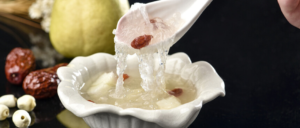
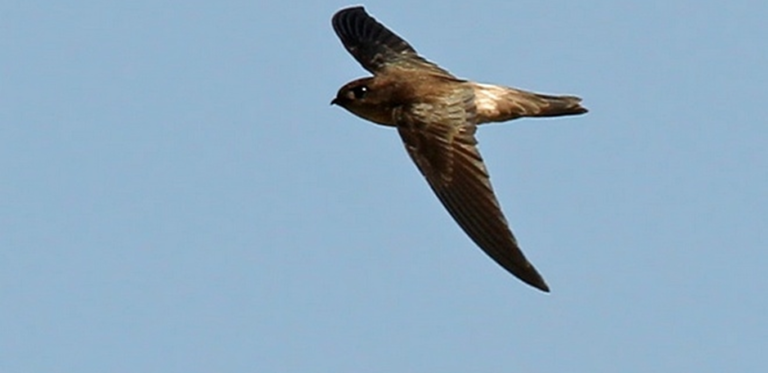
Edible bird’s nest (EBN), also known as “燕窝” (Yàn Wō) in Mandarin, and “Sarang Burung Walet” (in Malay) is a valuable and highly prized delicacy in Chinese culture. EBN is the nest of the swiftlet. There are mainly two types of swiftlets, white nest swiftlets (Aerodramus Fuciphagus) and black nest swiftlets (Aerodramus Maximus). The EBN produced from these species are known to have a premium quality in terms of purity as they contain less foreign materials such as grass, feathers, and mud. The white EBD is higher in purity which is made up by almost entirely from saliva secretion from the male bird While, the black EBN has a lower purity.
Aerodramus Fuciphagus is a small swiftlet, generally with a body length of 11cm-14cm and weighing 15g-18g. The body of swiftlets is blackish-brown at the upper part and ranges in color from white to blackish-brown at the lower part. The tail is short and has a slight notch; the bill and feet are black, and the wings are long and narrow. Their diet consists of flying insect that are caught in flight such as winged ants, bees, flies, small beetles, leafhoppers and mayflies.
Instead of mud and straw, Aerodramus fuciphagus construct their nests from strands of their saliva, produced by male swiftlets’ glutinous starch-like secretion from the sublingual salivary glands under their tongue during the breeding seasons. The saliva hardens on exposure after the bird has shaped it into a cup-shaped nest, which also as a cementing material for binding the nest to the ceiling of the cave or building. After the hatchlings mature, the birds will leave the nest, which will be harvested for human consumption.
Traditional Chinese medicine states that EBN confers health benefits such as moisturizing the lung, resolving phlegm, alleviating cough, promoting skin health and boosting the immune system. Edible bird’s nest is often used to make soups, desserts, or consumed on its own in a sweetened form. Due to its rarity and high demand, it is considered a luxury food.