
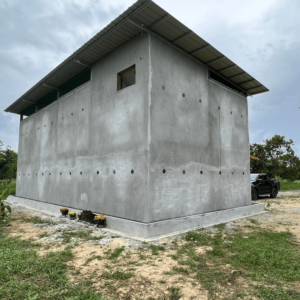
Nesting Made Easy: JinYi’s Swiftlet
At JinYi, we’re the swiftlet farming experts you need to get your business off the ground and soaring to success. With years of experience, we know exactly what these unique birds need to thrive and keep producing those valuable edible nests. Here’s what sets our comprehensive services apart: From designing
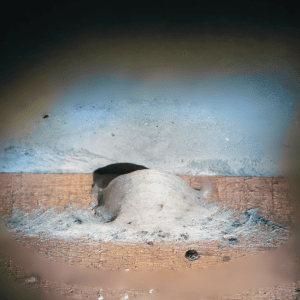
The Rise of Swiftlet farming
The reproduction and growth of edible-nest swiftlets require appropriate environmental conditions, such as a temperature between 26 °C to 35 °C, humidity between 80-90%, and sufficient food sources. Hence, these swiftlets are only found in Southeast Asia. Malaysia is among the world’s top five countries that have industries producing swiftlet

Nutritional Value of edible bird nest
Edible Bird Nest (EBN) also known as “caviar of the East” in Chinese community, it has been used therapeutically in Traditional Chinese Medicine since Tang Dynasty. Glycoprotein and carbohydrates are the major components in EBN. Apart from that, trace minerals like calcium, sodium, magnesium, zinc, manganese, and iron and 18
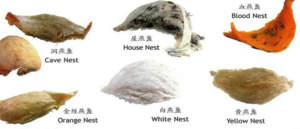
Type of Edible Bird Nest
There are two types of bird nests – Cave Nests and House Nests. Cave nests are mainly harvested from natural limestone caves, while house nests are harvested from swiftlet farming houses that are designed for the breeding of swiftlets. Cave Nests can be in white or dull orange red to
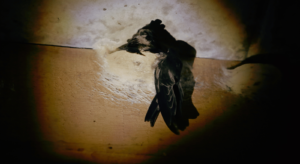
A Swiftlet’s Breeding Cycle
The breeding cycle of a swiftlet, from building its nest, laying eggs until the baby swiftlet hatch and are ready to fly, takes about 3-4 months. As a result, bird’s nest can be harvested up to 4 times a year.
The Secret of Bird Nest
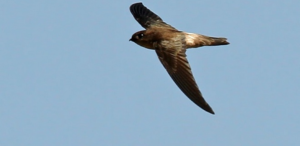
Edible bird’s nest (EBN), also known as “燕窝” (Yàn Wō) in Mandarin, and “Sarang Burung Walet” (in Malay) is a valuable and highly prized delicacy in Chinese culture. EBN is the nest of the swiftlet. There are mainly two types of swiftlets, white nest swiftlets (Aerodramus Fuciphagus) and black nest
The Story of Edible Bird Nest
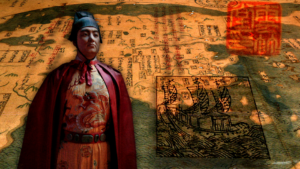
Consumption of edible bird’s nest could be traced back to 7th century from China during Tang Dynasty (618-907A.D.). According to historical data, Admiral Cheng Ho’s (郑和) voyages to the Western Seas, the ocean fleet encountered a severe storm at sea and sought refuge on a deserted island in the Malay